The holiday season brings crisp mountain air, snow-dusted trails, and plenty of opportunities for winter adventures with your four-legged hiking companion. But as you're planning those festive snowshoe excursions and cozy cabin getaways, you might be unknowingly sabotaging your dog's health with well-intentioned holiday treats.
Every year, pet owners make the same costly mistakes when choosing seasonal snacks for their adventure buddies. These errors can turn a perfect winter trail day into an emergency vet visit, leaving both you and your dog feeling anything but festive.
Whether you're prepping for a Christmas morning hike or stocking up for New Year's backcountry camping, understanding these common pitfalls will keep your trail partner healthy and ready for whatever winter throws your way.
Mistake #1: Loading Up on Dairy-Heavy Holiday Treats
Those creamy, butter-laden holiday cookies might look tempting to share with your pup after a long day on the slopes, but dairy products spell trouble for most dogs. Many canines are lactose-intolerant, meaning that festive treats containing butter, milk, or cheese can trigger uncomfortable digestive upset.
Picture this: you're halfway through a winter camping trip when your dog starts experiencing stomach issues from those "special" holiday treats you packed. Instead of enjoying the snowy wilderness, you're dealing with an uncomfortable pup who can't settle down for the night.
The rich, creamy ingredients that make holiday treats so indulgent for humans can cause diarrhea, vomiting, and general digestive distress in dogs. This is especially problematic during winter adventures when you're miles from the nearest veterinarian and your dog needs to maintain peak physical condition for challenging terrain.
Mistake #2: Choosing Treats Loaded with Artificial Preservatives and Sugar
Commercial holiday dog treats often contain artificial preservatives, excessive salt, and high sugar content that can trigger allergies and digestive problems. These synthetic additives accumulate in your dog's system over time, potentially causing long-term health issues that could sideline your adventure plans.
When you're planning multi-day winter expeditions, your dog needs sustained energy from natural sources, not sugar crashes from processed treats. Artificial preservatives can also contribute to behavioral changes, making your normally well-behaved trail companion restless or difficult to manage during critical moments on challenging terrain.
High-sodium treats are particularly problematic during winter activities when proper hydration is crucial. Excessive salt intake can lead to increased thirst and more frequent stops, disrupting the rhythm of your outdoor adventures and potentially putting both you and your dog at risk in harsh weather conditions.
Mistake #3: The Chocolate Catastrophe
Chocolate toxicity is one of the most serious holiday hazards for dogs, yet many pet owners don't realize just how dangerous even small amounts can be. Chocolate contains compounds called theobromine and caffeine that dogs metabolize much more slowly than humans, leading to toxic buildup in their systems.
Dark chocolate and baking chocolate pose the greatest threat, but even milk chocolate can cause problems depending on your dog's size and the amount consumed. Symptoms of chocolate poisoning include vomiting, diarrhea, increased heart rate, seizures, and in severe cases, death.
During winter adventures, chocolate poisoning becomes even more dangerous because you're often in remote locations where emergency veterinary care isn't readily available. A dog experiencing chocolate toxicity needs immediate professional attention, something that's challenging to provide when you're deep in the backcountry (or, simply enjoying an evening on the couch) celebrating the holidays.
Mistake #4: Overlooking the Raisin and Currant Threat
These seemingly innocent dried fruits appear in countless holiday treats, from fruitcakes to cookies, but they represent a hidden danger that many dog owners completely overlook. Raisins and currants can cause sudden kidney failure in dogs, even in relatively small quantities.
The exact mechanism behind raisin toxicity remains unclear to veterinarians, but the effects are well-documented and potentially fatal. What makes this particularly insidious is that not all dogs react the same way – some may eat raisins without apparent harm while others experience severe poisoning from just a few.
Winter trail conditions make raisin toxicity especially concerning because symptoms can develop gradually over 24-48 hours. By the time you notice your dog isn't drinking water or urinating normally, you could be days away from proper medical care, making early intervention nearly impossible.
Mistake #5: Missing Hidden Xylitol in Sugar-Free Treats
Xylitol, an artificial sweetener found in many sugar-free holiday treats, represents one of the most rapidly acting toxins for dogs. This seemingly harmless sugar substitute can cause a severe drop in blood sugar within 30 minutes of ingestion, leading to loss of coordination, collapse, and potentially liver failure.
Many pet owners choose sugar-free options thinking they're making a healthier choice for their dogs, but xylitol-containing treats are far more dangerous than their sugar-laden counterparts. Even small amounts can be lethal, making this mistake potentially catastrophic.
During winter adventures, xylitol poisoning creates a medical emergency that requires immediate intervention. The rapid onset of symptoms means your dog could go from normal to critical condition while you're miles from help, turning a holiday celebration into a life-or-death situation.
Mistake #6: Serving Fatty Foods and Dangerous Bones
Holiday tables overflow with rich, fatty foods that seem perfect for sharing with your adventure companion, but these indulgent treats can trigger pancreatitis in dogs. This painful inflammation of the pancreas can develop rapidly and requires immediate veterinary care to prevent serious complications.
Cooked bones, particularly those from holiday roasts, present additional dangers. Unlike raw bones, cooked bones become brittle and can splinter, creating choking hazards or causing internal injuries if swallowed. Turkey and chicken bones are especially prone to splintering and have caused countless emergency vet visits during holiday seasons.
When you're planning winter expeditions, pancreatitis or internal injuries from bone fragments can completely derail your outdoor plans and put your dog's health at serious risk. These conditions often require extended veterinary care and recovery time, meaning weeks or months away from the trails you both love.
Mistake #7: Ignoring Toxic Holiday Ingredients
Garlic, onions, macadamia nuts, and alcohol frequently appear in holiday recipes but represent serious health threats to dogs. Onions and garlic contain compounds that damage red blood cells, leading to anemia that can develop gradually over several days.
Macadamia nuts cause weakness, depression, vomiting, and hyperthermia in dogs, while alcohol can lead to dangerous drops in blood pressure, body temperature, and blood sugar. Even small amounts of these ingredients can cause problems, and holiday treats often contain multiple toxic components.
For active dogs who need peak physical performance during winter adventures, these toxins can cause weakness, fatigue, and reduced endurance that affects their ability to navigate challenging terrain safely. The delayed onset of some symptoms means problems might not become apparent until you're already committed to a multi-day expedition.
Why Raw Trail Snacks Offer a Better Solution
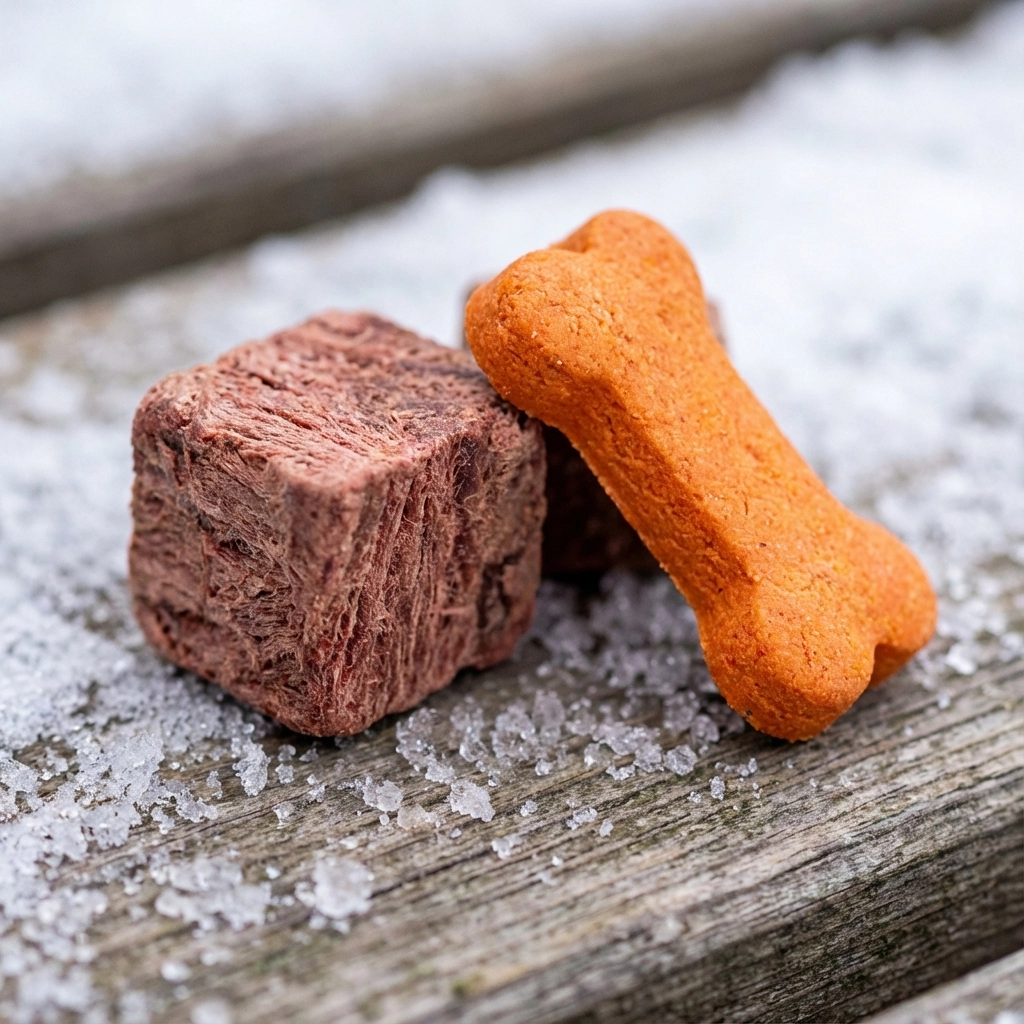
Raw freeze-dried treats provide adventure-ready nutrition without the holiday hazards that plague conventional treats. These minimally processed snacks retain the natural nutrients your dog needs for sustained energy during winter activities while eliminating the artificial additives and toxic ingredients found in many commercial options.
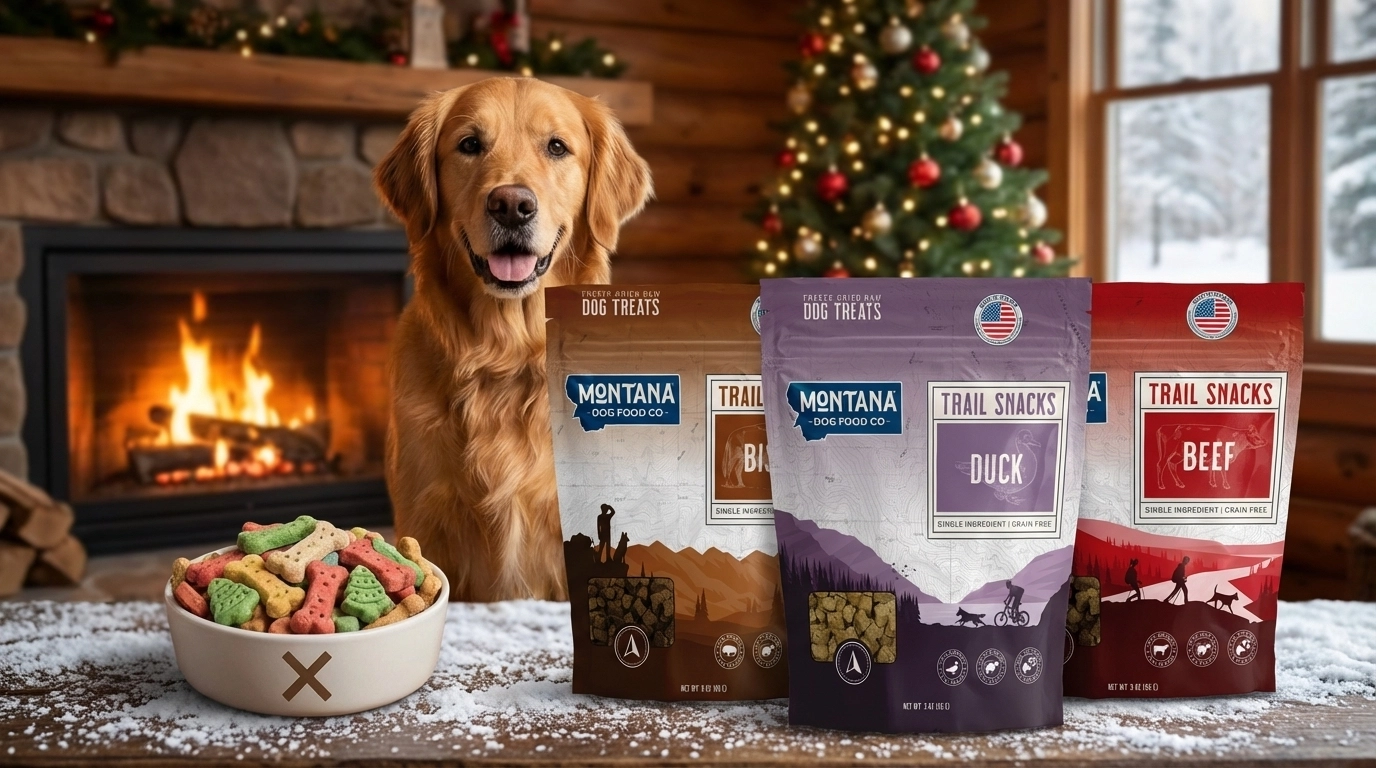
Montana Dog Food Co's trail snacks are specifically designed for active dogs who spend time in challenging environments. Made from single-ingredient proteins like turkey liver, chicken breast, and bison liver, these treats provide concentrated nutrition without unnecessary fillers or dangerous additives.
The freeze-drying process preserves nutritional integrity while creating a lightweight, shelf-stable treat that's perfect for backcountry adventures. Unlike heavy, moisture-rich treats that can freeze solid in winter conditions, raw trail snacks remain easy to break apart and serve even in sub-zero temperatures.
Making the Switch for Holiday Safety
Transitioning to raw trail snacks during the holiday season protects your dog from toxic ingredients while providing superior nutrition for winter activities. These treats won't upset sensitive stomachs or cause energy crashes that could compromise your dog's performance on challenging terrain.
Consider creating holiday gift packages featuring high-quality raw treats instead of traditional baked goods. Your dog will appreciate the rich, natural flavors, and you'll have peace of mind knowing you're providing safe, nutritious rewards for good behavior during holiday gatherings and winter adventures.
The concentrated nutrition in raw trail snacks means you can pack lighter while providing better fuel for your dog's active lifestyle. This efficiency becomes particularly valuable during winter expeditions when every ounce in your pack matters and your dog needs optimal nutrition to maintain body heat and energy levels.
By avoiding these seven common mistakes and choosing raw trail snacks instead, you're setting both yourself and your adventure companion up for a safe, healthy holiday season filled with memorable outdoor experiences. Your dog's health and performance on the trails will thank you for making the switch to naturally better treats.


